
PRIMETIME Review | Fantastic Fest 2026
Primetime is, ultimately, a well made and even better performed film. It’s profoundly frustrating that the light it shines on an ongoing Hollywood issue reflects directly back on its own production.
Fantastic Fest 2026 Reviews So Far
Lance Oppenheim’s Primetime is fascinating. On the one hand you’ve got a fantastically shot feature debut revolving around a performance from one of our best contemporary actors. On the other, you have an exaggerated take on real events centered on a living human existing in sharp contrast against your film’s central question of ethics, exploitation and Hollywood power dynamics. That’s not a tremendous conundrum to have, even with the number of people who will be willing to look the other way.
We’ll play outside of reality for a moment and take a look at Oppenheim’s film in a vacuum first, because I feel an obligation to meet the film where it is. Technically speaking, Primetime is a triumph. David Bolen’s cinematography is lovely, amplified by the color department made up of senior dailies colorist Kevin Krout, colorist Damien Vandercruyssen and executive producer of picture post Elizabeth Niles. The film establishes a visual identity up front and never shakes it, keeping the predatory atrocities and the exploitation from those who seek to unmask them in bright color from start to finish.
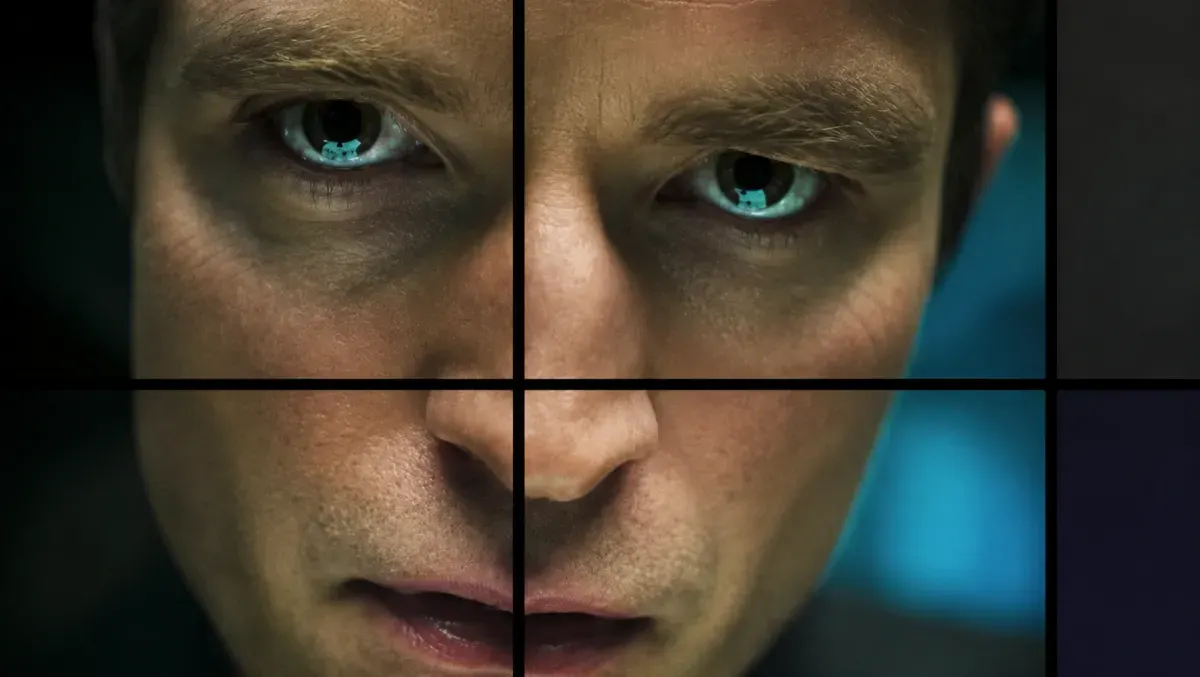
You should be prepared to hear about Robert Pattinson’s turn as Chris Hansen for some time. We’ve long known just how talented he is as a performer, but his slick imitation of the journalist is on another level. The way he plays against Skyler Gisondo’s Decoy Dan elevates both performances, but don’t take that as a celebration of one over the other. Instead, understand them as a kind of symbiotic relationship. Each actor is dragging the very best out of the other, and Primetime is all the more lucky for it.
Want to support independent criticism?
Outside of that, though, we have to take a look at Oppenheim’s film with a broader lens. Luke Dittrich and Ajon Singh’s script seeks to explore how, even when attempting to do good, the Hollywood ecosystem is often guilty of dropping all ethics and morals in favor of viewership or clicks. In that aforementioned vacuum, it struggles to say much about that problem beyond the fact that it exists. Outside of that vacuum, the film commits the very sins it seeks to lambast.
Everything about Primetime is sensationalized — something easily confirmable by watching Predators, David Osit’s 2025 documentary about the same subject matter. Primetime admits that it’s only inspired by true events, but why then use Hansen’s name at all? Decoy Dan’s name was changed for the film, and many of the characters are simply made up. (Jeff Zucker, who plays himself, being an obvious exception.)
I’m not out here to defend some dude whose ethics have been in question for decades, but there’s something skeevy about Primetime’s treatment of its subject(s). We looked down our noses at the trashy Pam and Tommy because it skirted away from Tommy Lee’s treatment of Pamela Anderson and profited off of the latter’s trauma. (We were right, to be clear.) Primetime will get a pass because Hansen (allegedly but very likely) cheated on his wife and the death by suicide caused by his antics was that of a pedophile. I don’t know that the film deserves that pass regardless of how well made it is or how much predators deserve whatever cruel end they come by.
Primetime is, ultimately, a well made and even better performed film. In an era of flat color, it seeks to showcase the atrocities of man and the sins of Hollywood in bright hues and bold contrast. It’s profoundly frustrating that the light it shines on an ongoing Hollywood issue reflects directly back on its own production.
If you've enjoyed this review, please consider subscribing. If you're already a subscriber and want to help support independent entertainment criticism, consider a paid subscription!


Comments ()