
RESIDENT EVIL (2026) Review
Resident Evil is a tricky franchise to tackle. The subject matter isn’t particularly daunting or overly difficult to adapt, the fandom is just… well… you exist on the internet, you know.
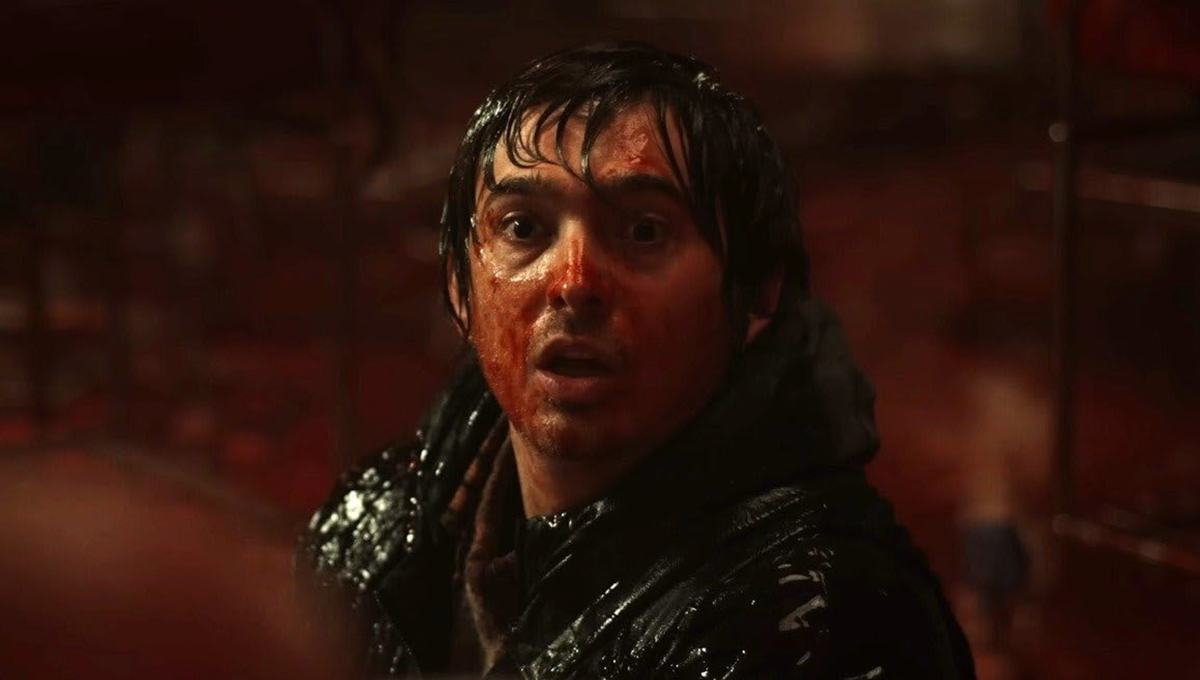
Resident Evil is a tricky franchise to tackle. The subject matter isn’t particularly daunting or overly difficult to adapt, the fandom is just… well… you exist on the internet, you know. It was evident that filmmaker Zach Cregger was beginning to feel the effects of that (generously labeled) misplaced enthusiasm by the end of the Resident Evil (2026) press tour, noting that it’d felt like he’d been on an apology tour before the film even screened. Admittedly, I was quietly dubious when Cregger announced the project for a multitude of reasons that aren’t worth diving into in a review. Happy to report that I was proven wrong. Mostly.
It likely comes as no surprise that Cregger’s Resident Evil is gorgeous, but you won’t really understand just how so until you’ve seen it for yourself. The bar for video game adaptations is in hell, sure, but my sentiment on the movie’s beauty isn’t out of comparison to other adaptive fare. Cregger is an objectively good filmmaker, and Resident Evil is far and away his prettiest flick yet. He and cinematographer Dariusz Wolski make some real magic with the Capcom-esque landscapes and exceptionally utilized video game POV shots. Even when it’s bloody, it’s beautiful. But not in a Crimson Peak-like way. It’s all just really well made. There are a ton of angles from top to bottom that make you feel like you’re in a Resident Evil.
That remains true of the atmosphere as well. Whether he’s utilizing jumpscares or ambiance, Cregger keeps you creeped out for the majority of the film. It is stressful in the same way the best Resident Evil scenes are stressful. Moreover, it’s a bloody, practical delight. There’s some heavy CGI use here and there (particularly in the final act), but there are a ton of gnarly practical effects showcased throughout the myriad of death, injuries, and creatures.
Something that might hold purists back is that the T-Virus is never once mentioned and, based on the creatures that we see throughout the film, Cregger’s Resident Evil monsters might not be victims of the T-Virus at all? Umbrella remains behind it all, and we do spend a good hunk of our time in Raccoon City, but these aren’t the undead we’re used to in this universe. The only time that becomes distracting is when a creature does something entirely out of left field and you find yourself wracking your brain to remember if you’ve forgotten something from the games. Which, frankly, might also be attributed to pop culture brain rot that I, too, am clearly a victim of!
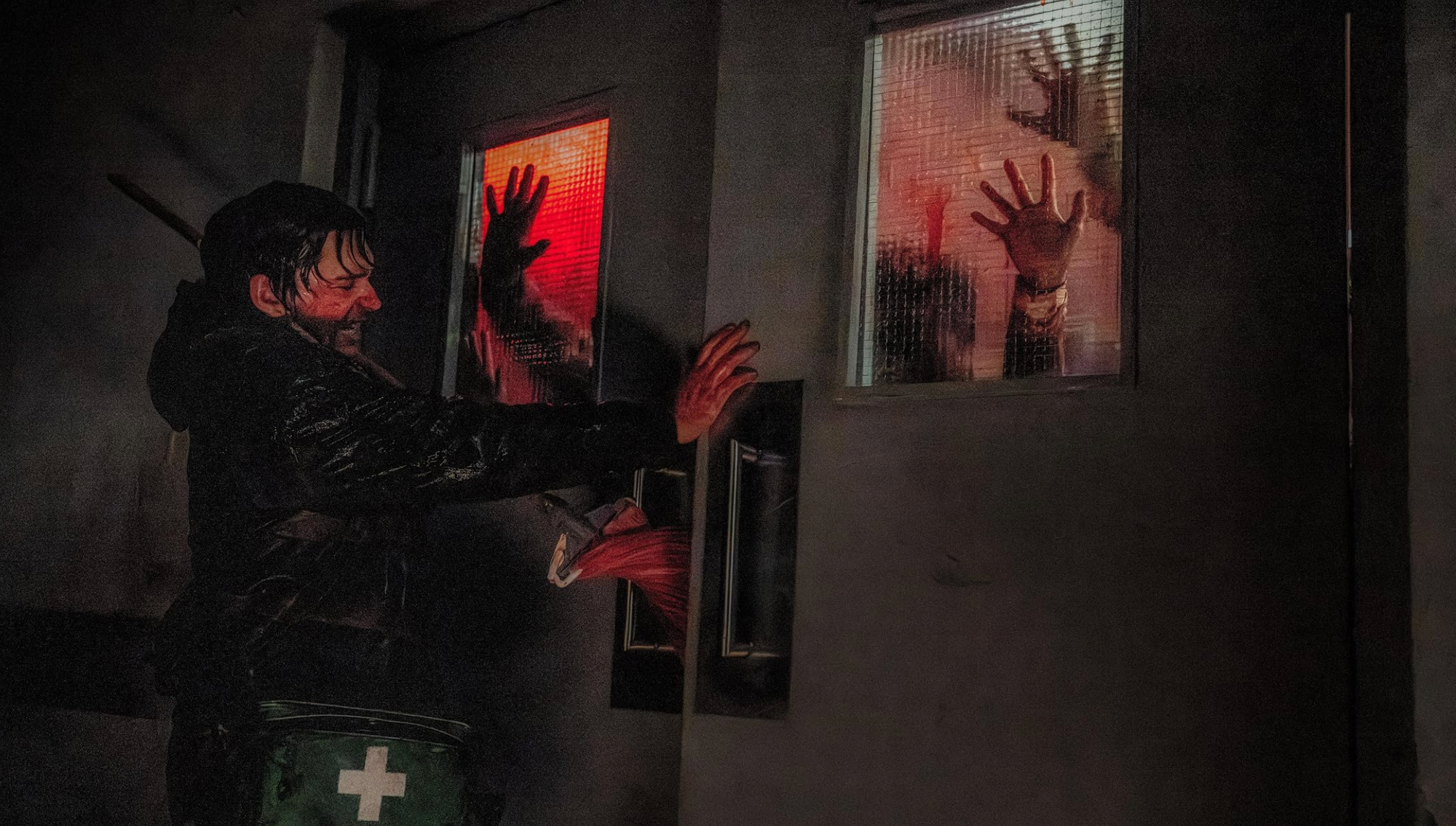
Beyond that, the zombies we meet are varied and interesting. There’s a particularly fun one in the sewers, but as someone who delights in the Children in Peril trope, my personal favorites take place in a maternity ward and an errant winnebago.
Austin Abrams plays Bryan, our audience stand-in during all of the mayhem. While the first Resident Evil game delivers the capability of the S.T.A.R.S team with Chris and Jill and Resident Evil 2 showcases the frightened but suitably able rookie cop and hyper-capable little sister of a S.T.A.R.S. operative in Leon and Claire, Cregger’s Resident Evil offers up a more Ethan Winters-esque character. Bryan is useless, to put it lightly. But he has the games’ proclivity for jokes in place of crashouts coupled with plenty of well-earned swears. Abrams’ comedic timing is on full display here, adding levity to the sheer WTF energy of suddenly finding yourself smack in the middle of a zombie apocalypse.
The first two acts of Resident Evil (2026) are utterly exceptional. They’re beautiful, hilarious, and pay homage to the games in a way that illustrates deep love and calculated restraint on Cregger’s part. The winks are just that. They never overstay their welcome in a way that would confuse the non-gaming audience while still offering a little chin jut to the people who have loved this franchise for its thirty-year tenure.
The third act, on the other hand, is where it loses me.
Enjoying this review? Consider subscribing!
Resident Evil (2026) leans heavily into the snark and ill-timed humor of the games. Carlos and Leon would be proud of the dorky, quippy nonsense that Bryan is constantly vomiting. The comedy adds a huge amount of value to the film, right up until it shifts from funny to goofy. It’s particularly grating because the tonal shift hits almost immediately after we see Bryan really start to reconcile with the situation he’s found himself in. Moments after what will very likely be a farewell voice memo, a well-earned mini breakdown, and a short-lived celebration after an impossible ascent, Bryan finds himself in a brightly lit room surrounded by incompetent Umbrella scientists trying to manufacture the cure that could stop it all.
Now, we all know that no such cure can come, at least not during the Resident Evil and Resident Evil 2 timeline that Cregger’s film falls in. But the hurdle here isn’t that we all know what will ultimately happen. The problem is that the film’s climax plays out like one of Resident Evil’s bad endings. No, not the poorly written kind. The endings that come when you make all the wrong choices and things end terribly for your character. Perhaps that was Cregger’s goal here. Bryan definitely doesn’t do a single thing right in this movie! Issue is, that’s not a particularly interesting way to end a story. In the games, it’s a solvable predicament. In a film, the end you get is the end you get.
I’m not going to spoil the specifics of the conclusion, but there is an absurd slapstick-y quality to it that doesn’t gel with the rest of the film. The shift from funny to goofy ripped me right out of the story, and the film's ending only compounds the issue. The final battle is nonsense, robbing of any real “climax,” and then the film simply ends. The humor laced throughout Resident Evil (2026) is attached to genuine terror and haunting visuals all throughout the story, then suddenly we have a brand new tone that doesn’t offer any meaningful conclusion, let alone satisfaction.
The out of place (and lack of any real) ending aside, it's hard to be mad at the final product overall. I certainly wish things ended at all, even if they failed to end in any meaningful way. But, even with that significant pitfall, Resident Evil (2026) still manages to be one of the more impressive video game adaptations of our time.
If you've enjoyed this review, please consider subscribing. If you're already a subscriber and want to help support independent entertainment criticism, consider a paid subscription!
Comments ()