
The Vampire Lestat Finale Review: There Are No Failures Here
Lestat's season offered a beautifully broken look into the pains of immortality and learning to love when any affection you'd ever received was conditional, fleeting, or both.
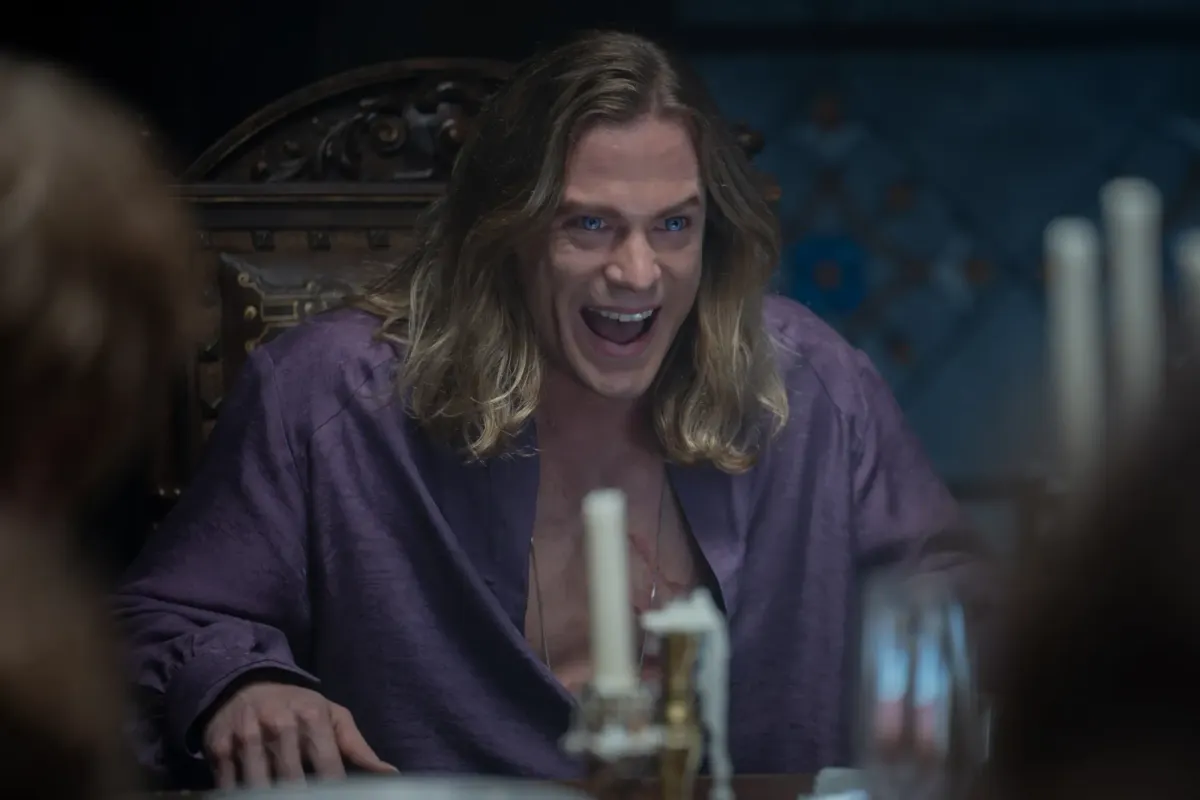
I lost subscribers — including a paid one — over weekly reviews of The Vampire Lestat, so, here we are at the end and back on our blissfully vampiric bullshit. For those who were happy about the weekly drops, I'll try to find a way to make it work for everyone in the future. In the meantime, let's talk about the end (and the magnificent misadventures that got us here).
Vague spoilers but no direct plot points of The Vampire Lestat finale to follow.
I've long said that Interview with the Vampire is the best show on television, and a name change and shift in perspective did nothing to change that. Lestat's season offered a beautifully broken look into the pains of immortality and learning to love when any affection you'd ever received was conditional, fleeting, or both. Are people born brats, or do they have brattiness thrust upon them? Probably a bit of both but, in the case of Lestat de Lioncourt (Sam Reid) it's most certainly the latter.
Season 3's finale, "The Failures," sees an end to Lestat's tour. The band has played its final song, and the front man is forced to reconcile with his shortcomings in a way yet unseen from the wolf killer.
After their mutual beheadings in the penultimate episode, Lestat and Louis (Jacob Anderson) are separated and sent on their own reconciliation tours. Lestat dies slow, head dripping in a bowling ball bag and separated far from his body while Armand (Assad Zaman) tries to force an apology from a fading Louis. He gets one he doesn't deserve. He remains a beige little gremlin. The point here, though, is the sire. Lestat's dying thoughts are of his father's dinner table, surrounded by his younger selves, his maker, his mother and his love before they're eventually joined by, you guessed it, all of the vampire's failures (and fans).
What unfolds in the finale is as erratic as the rest of the season, and as successful. The intent was never direct coherence, only snippets of a picture before we get to the shocking final scene of "The Failures." (I have very little doubt that this show will get a Season 4, and even less that it will explore all the scenes fans are frustrated having gone without in Lestat's first foray into the narrator's booth.) Some of the annoyance around the distracted nature of the story became more understandable as the season came to a close, highlighting how desperately we need to return to full seasons of television again rather than continuing to play with single-digit episode counts trying to make up a full narrative. Still, The Vampire Lestat is all told with hyper-focused intention, so it's hard to be too angry (particularly when everything else about the series is so damn good).
Infinite praise belongs to series composer Daniel Hart, who didn't just haunt us with score but captured our hearts lyrically as well. Reid's performance is undeniable, but musically the series is nothing without Hart and his team. And yes, as a Day 1 Armand hater, "Big Boss" is obviously my favorite song of the season. I'd like to see him ask Lestat for amends.
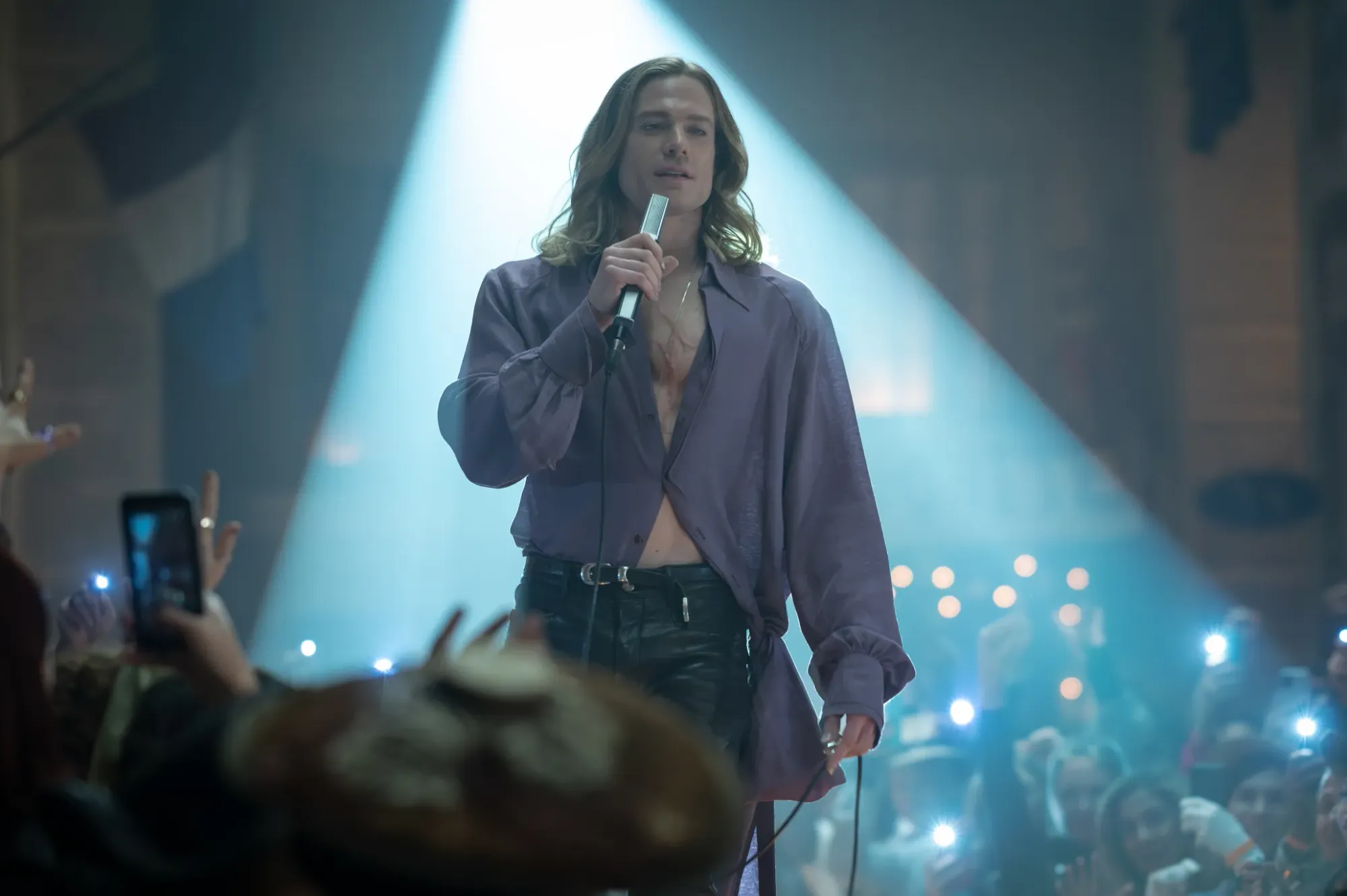
Sam Reid, Jacob Anderson and Delainey Hayles (Claudia and Regina, respectively) must each have a little laugh each time a season passes and we call it the best performance of their career. Because every single time the next season comes, they're all raising the bar all over again. The penultimate's seance doesn't come back into play in the finale, even if perhaps it should play a bigger role in Lestat's mental walkabout before things come to a close. Still, the series finally reconciles with the fact that Louis and Lestat were both terrible fathers and friends to a woman whose life they ruined. My only problem with the arc is that, narratively speaking, this is where Claudia and Regina's involvement in the story should come to a close. (The issue being that Hayles is so damn exceptional and it would be a pity to lose her from the series.) But, with so much to go back and revisit in Season 4, there's plenty of potential for flashbacks.
If Season 3 has any failure, it's with the writing of Daniel Molloy (Eric Bogosian). It's by no fault of the performance, Bogosian is still exceptional in the role. There could have been an interesting way to explore the fact that he hates his maker because he and Armand are exactly the same, but instead we've just ended up with two Armands. I cannot stress enough how much this series does not need two Armands. Though, we haven't gotten to Baby Jenks' (Ella Ballentine) little "he dies bad" prophecy just yet. Maybe things will get spicier before we lose the fledgling.
Post-season attention will undoubtedly sit squarely in the shock and awe of the effects of Lestat's final concert, but The Vampire Lestat's allure will always rest squarely on the shoulders of Reid and Anderson's chemistry. All the beautiful chaos in the world can't pull from the quiet moment of the two vampires touching each other's scars in the tour bus before the world goes to shit. The horror, the gore, the rage, the humor, the sarcasm and wit... that's all gravy which is, perhaps, the reason this show will continue to succeed the way it has. No matter how the world ends, two fucked up immortals will continue to force each other to grow and recon with their own hypocrisies.
Or perhaps die trying.
If you'd like to read my other writing about The Vampire Lestat, you can find a deep dive on Sam Reid's remarkable performance over at Backstage, and a writeup of the live concert experience over at TheWrap.
If you've enjoyed this review, please consider subscribing. If you're already a subscriber and want to help keep me afloat while I continue to look for work, please consider upgrading to a paid subscription!
Comments ()